
If you're facing a tooth cracked below the gumline that can't be crowned, we check who's actually open in Raymond, WI right now for this exact procedure — not just listed online.
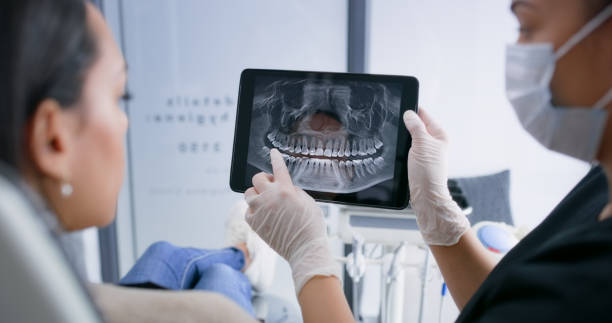
One call tells you exactly when and where you can be seen for this.
+1-866-227-2801
Extraction is usually the last resort, recommended only after a crown, root canal, or other fix has been ruled out. A tooth fully visible above the gum is typically a simple extraction; one fractured or unerupted needs a surgical approach.
Local anesthesia numbs the area fully before extraction, with sedation available for anxious patients or more involved cases. Aftercare focuses on protecting that healing clot, the single most common source of post-extraction complications.
Not every extraction needs a replacement right away, but a gap left too long can let neighboring teeth drift and complicate future treatment. If an implant is planned later, a bone graft placed at the time of extraction can preserve the socket's shape for that procedure.
No separate referral needed for most surgical extractions. One office, one set of X-rays, one treatment plan, regardless of complexity.
Nitrous oxide or oral sedation is available for patients nervous about the procedure. Providers will walk through the sedation choices rather than defaulting to the same one for everyone.
A tooth causing acute pain can often be removed the day it's diagnosed. A same-day slot is checked as soon as urgency is established on the call.
Detailed guidance on diet and activity reduces complication risk and speeds healing. You leave with written instructions, not just a verbal rundown you might forget by the time you're home.
Whatever the specifics of your case, the specialist we route you to has handled it before.
The most common extraction type, typically with straightforward recovery.
Handles more complicated cases where the tooth can't simply be lifted out whole.

Addresses teeth beyond restorative repair, with replacement options discussed alongside.
Often paired with a broader periodontal treatment plan for the remaining teeth.

Removes specific teeth to create space needed before braces or aligners.
Recommended when you plan to replace the tooth with an implant down the road.
You describe what's going on in a minute or two; no automated menu to fight through first.
We match you with a nearby specialist experienced in this exact procedure and check real-time openings.
The specialist examines your case, often with same-visit imaging, and gives you a cost estimate before starting anything.
You leave with the issue addressed and next steps already scheduled if needed.
"Called and they were upfront that my usual office was booked, then found me somewhere open the same week."
"Didn't have to wait weeks like my old dentist. Got routed straight to a specialist who knew what to do."
"Was honest that the closest office was full and got me into a nearby one instead of leaving me stuck."
Local anesthesia numbs the area fully first, so the procedure itself shouldn't hurt.
Most people feel back to normal within a few days, with full socket healing over several weeks.
It happens when the healing clot dislodges early; avoiding straws and smoking helps prevent it.
It depends on the tooth's location and your bite; your provider will discuss whether it matters here.
If the tooth is actively causing problems, same-day extraction is typically prioritized.
Pricing varies with complexity, quoted before any procedure is performed.
Our coverage spans Raymond and its surrounding area, matching you with the closest available specialist who's actually open.
Licensed to practice in WI, verified before referral.
A short call is all it takes to get this on the calendar this week.
Call +1-866-227-2801 Now